
- English
- Español
- Português
- русский
- Français
- 日本語
- Deutsch
- tiếng Việt
- Italiano
- Nederlands
- ภาษาไทย
- Polski
- 한국어
- Svenska
- magyar
- Malay
- বাংলা ভাষার
- Dansk
- Suomi
- हिन्दी
- Pilipino
- Türkçe
- Gaeilge
- العربية
- Indonesia
- Norsk
- تمل
- český
- ελληνικά
- український
- Javanese
- فارسی
- தமிழ்
- తెలుగు
- नेपाली
- Burmese
- български
- ລາວ
- Latine
- Қазақша
- Euskal
- Azərbaycan
- Slovenský jazyk
- Македонски
- Lietuvos
- Eesti Keel
- Română
- Slovenski
- मराठी
- Srpski језик

Why Is Canned Tomato a Smart Choice for Modern Food Applications?
Canned tomato has become an essential ingredient for households, restaurants, food manufacturers, and global food suppliers because of its convenience, consistent quality, long shelf life, and rich nutritional value. As consumer demand for safe, efficient, and versatile food products continues to grow, canned tomatoes provide a reliable solution for cooking needs while helping businesses reduce waste, control costs, and maintain product consistency.
This article explores the production process, advantages, applications, quality standards, purchasing considerations, and common questions related to canned tomatoes. It also explains why professional suppliers such as Hongburg Flavormaker Food Co., Ltd. focus on delivering high-quality canned tomato solutions for different markets worldwide.
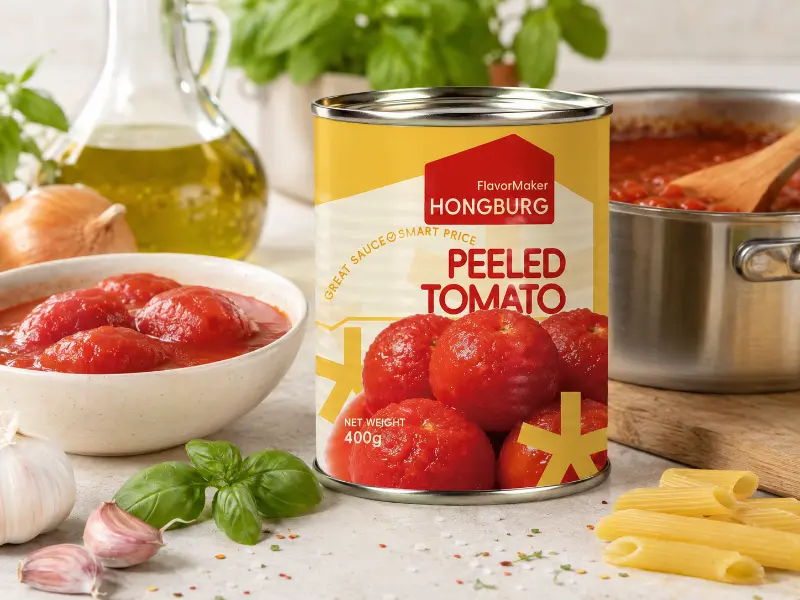
Table of Contents
- 1. What Makes Canned Tomato an Important Food Ingredient?
- 2. How Are Canned Tomatoes Produced?
- 3. Key Benefits of Using Canned Tomato
- 4. Common Applications of Canned Tomato
- 5. How to Choose High-Quality Canned Tomato Products?
- 6. Canned Tomato vs Fresh Tomato: Which One Meets Different Needs?
- 7. Storage and Shelf Life Considerations
- 8. Frequently Asked Questions About Canned Tomato
Article Outline
| Section | Main Focus |
|---|---|
| Market Importance | Why canned tomato has become a popular ingredient worldwide |
| Manufacturing Process | Harvesting, processing, packaging, and quality control |
| Product Advantages | Convenience, nutrition, stability, and cost efficiency |
| Applications | Household cooking, restaurants, and industrial food production |
| Buying Guide | Important factors when selecting canned tomato suppliers |
| FAQ | Solutions to common customer concerns |
What Makes Canned Tomato an Important Food Ingredient?
Tomatoes are one of the most widely consumed vegetables worldwide and play an important role in many traditional cuisines. However, fresh tomatoes have a limited harvesting season and can lose quality quickly during transportation and storage. Canned tomato solves these challenges by preserving the natural flavor, color, and nutritional characteristics of tomatoes through advanced processing methods.
For consumers, canned tomatoes provide an easy way to prepare delicious meals without requiring extensive preparation time. For food businesses, they offer stable supply, predictable quality, and simplified inventory management.
The growing demand for convenient food solutions has made canned tomato an important ingredient category in international food markets. From sauces and soups to ready-to-eat meals, canned tomato supports a wide variety of food applications.
Major Reasons Behind the Popularity of Canned Tomato
- Long storage period compared with fresh tomatoes
- Consistent taste and texture throughout the year
- Reduced food preparation time
- Suitable for large-scale food production
- Helps reduce seasonal supply limitations
- Maintains important tomato nutrients after processing
How Are Canned Tomatoes Produced?
The production of canned tomato requires strict control at every stage to ensure safety, freshness, and consistent quality. Professional manufacturers carefully manage raw material selection, processing conditions, packaging technology, and inspection procedures.
1. Selecting High-Quality Tomatoes
The production process begins with selecting suitable tomato varieties. Manufacturers evaluate factors such as maturity, color, flavor, firmness, and overall quality before processing.
High-quality tomatoes provide better taste, attractive appearance, and improved stability after canning. Reliable suppliers usually cooperate with carefully managed farms to maintain consistent raw material standards.
2. Cleaning and Preparation
After harvesting, tomatoes are thoroughly cleaned to remove soil, impurities, and unwanted materials. Depending on the product type, tomatoes may be peeled, diced, crushed, or processed into puree before entering the canning stage.
3. Heat Treatment and Preservation
Heat treatment is a critical step in canned tomato production. Proper thermal processing helps eliminate harmful microorganisms while preserving the natural characteristics of tomatoes.
Modern food manufacturers use controlled temperature systems and strict hygiene procedures to ensure product safety and reliability.
4. Packaging and Quality Inspection
The processed tomatoes are filled into cans or other suitable packaging containers. Each batch undergoes inspection to verify factors such as:
- Packaging integrity
- Product appearance
- Flavor consistency
- Safety requirements
- Shelf stability
Key Benefits of Using Canned Tomato
Canned tomato offers advantages that meet both consumer expectations and commercial food production requirements. Its combination of convenience, quality, and versatility makes it a valuable ingredient across different industries.
| Benefit | Description |
|---|---|
| Extended Shelf Life | Canned tomatoes can be stored for long periods without refrigeration when unopened, reducing waste and improving inventory efficiency. |
| Year-Round Availability | Consumers and businesses can access tomato products regardless of seasonal farming conditions. |
| Consistent Quality | Standardized processing ensures stable taste, texture, and appearance. |
| Convenient Preparation | Ready-to-use canned tomatoes save preparation time in kitchens and factories. |
| Versatile Applications | Suitable for sauces, soups, pasta dishes, pizza toppings, and many other recipes. |
Common Applications of Canned Tomato
One of the biggest advantages of canned tomato is its flexibility. It can be used in both household kitchens and professional food production environments.
- Home Cooking: Canned tomatoes are widely used for pasta sauces, stews, soups, and everyday meals.
- Restaurants and Catering: Professional kitchens rely on canned tomato for stable flavor and efficient preparation.
- Food Manufacturing: Manufacturers use canned tomato as a base ingredient for sauces, ready meals, frozen foods, and processed products.
- International Food Supply: Canned products allow global distribution without depending on short fresh-food transportation cycles.
Popular Canned Tomato Product Types
| Product Type | Typical Usage |
|---|---|
| Whole Peeled Tomato | Pizza, sauces, premium cooking applications |
| Diced Tomato | Salads, soups, and ready meals |
| Crushed Tomato | Pasta sauces and industrial recipes |
| Tomato Puree | Beverages, sauces, and food processing |
How to Choose High-Quality Canned Tomato Products?
Selecting the right canned tomato product is important for achieving excellent taste, reliable performance, and customer satisfaction. Whether purchasing for household use, restaurants, or industrial food production, buyers should evaluate several key factors before making a decision.
| Selection Factor | Why It Matters |
|---|---|
| Raw Material Quality | Premium canned tomatoes should be produced from carefully selected tomatoes with good color, natural flavor, and suitable maturity. |
| Processing Technology | Advanced processing methods help maintain freshness, nutritional value, and product consistency. |
| Packaging Quality | Strong and reliable packaging protects the product during transportation and storage. |
| Food Safety Management | Strict production controls and quality inspections ensure safe consumption and stable supply. |
| Supplier Experience | Experienced manufacturers usually provide better production capability, customization options, and customer support. |
Important Questions Before Purchasing Canned Tomato
- Does the supplier have professional food production experience?
- Are raw materials carefully selected and controlled?
- Can the supplier provide stable international supply?
- Does the product meet required food safety standards?
- Can packaging and specifications be customized according to market needs?
For businesses that require dependable canned tomato solutions, choosing an experienced manufacturer is essential. Hongburg Flavormaker Food Co., Ltd. focuses on providing quality food products with reliable manufacturing processes, helping customers achieve stable supply and consistent product performance.
Canned Tomato vs Fresh Tomato: Which One Meets Different Needs?
Both fresh tomatoes and canned tomatoes have their own advantages. The best choice depends on application requirements, storage conditions, production scale, and customer expectations.
| Comparison | Canned Tomato | Fresh Tomato |
|---|---|---|
| Storage Time | Long shelf life and convenient storage | Shorter storage period and faster quality decline |
| Availability | Available throughout the year | Depends on harvest seasons and transportation |
| Preparation | Ready to use with minimal preparation | Requires washing, cutting, and preparation |
| Consistency | Stable taste, texture, and quality | May vary depending on season and origin |
| Commercial Use | Highly suitable for restaurants and food manufacturers | More challenging for large-scale production |
For many food businesses, canned tomato provides greater efficiency because it reduces preparation time, minimizes waste, and ensures consistent results. This makes it an ideal ingredient for modern food manufacturing and professional kitchens.
Storage and Shelf Life Considerations
Proper storage plays an important role in maintaining the quality of canned tomato products. Although canned tomatoes are designed for long-term preservation, correct handling can further protect flavor and safety.
Recommended Storage Practices
- Store unopened cans in a cool, dry, and well-ventilated environment.
- Avoid direct sunlight and extreme temperature changes.
- Keep cans away from moisture to prevent packaging damage.
- Check the packaging condition before use.
- After opening, transfer unused tomatoes into a suitable container and refrigerate.
Businesses should also maintain proper inventory management by following the first-in-first-out principle. This helps reduce unnecessary waste and ensures customers receive products with optimal quality.
The Role of Reliable Canned Tomato Suppliers in Global Food Markets
The global food industry requires suppliers that can provide not only quality products but also dependable service, flexible solutions, and professional support. A reliable canned tomato manufacturer helps businesses overcome challenges such as unstable supply chains, inconsistent raw materials, and changing market demands.
Professional suppliers usually provide advantages including:
- Stable Production Capacity: Ensures continuous product availability for different market requirements.
- Quality Control Systems: Helps maintain consistent product standards from raw materials to finished products.
- Customized Solutions: Supports different packaging sizes, specifications, and customer requirements.
- Industry Experience: Provides better understanding of international food markets and customer expectations.
Hongburg Flavormaker Food Co., Ltd. is committed to developing reliable food solutions by combining professional production experience, careful ingredient selection, and customer-focused service. The company understands that food businesses need dependable partners who can support long-term growth with consistent quality.
Frequently Asked Questions About Canned Tomato
Q1: Is canned tomato as nutritious as fresh tomato?
Yes. Canned tomatoes can retain many important nutrients because they are usually processed shortly after harvesting. The canning process helps preserve tomato characteristics while extending storage life.
Q2: Why do restaurants prefer canned tomato products?
Restaurants often choose canned tomatoes because they provide consistent flavor, convenient preparation, reduced food waste, and reliable availability throughout the year.
Q3: How long can canned tomato be stored?
Unopened canned tomato products generally have a long shelf life when stored correctly. Customers should always follow the manufacturer's recommended storage instructions and check product labels.
Q4: What should businesses consider when choosing a canned tomato supplier?
Businesses should evaluate product quality, production capability, food safety management, customization options, delivery reliability, and supplier experience before making a decision.
Conclusion: Why Canned Tomato Remains a Valuable Food Solution
Canned tomato continues to be an important ingredient for modern food applications because it combines convenience, stability, versatility, and reliable quality. From home kitchens to large-scale food production, it helps users save time, improve efficiency, and maintain consistent results.
As global demand for convenient and high-quality food products continues to increase, choosing a trusted canned tomato partner becomes increasingly important. Hongburg Flavormaker Food Co., Ltd. provides professional canned tomato solutions designed to meet diverse customer requirements and support reliable food supply chains.
Whether you need canned tomato products for retail, catering, or industrial food applications, Hongburg Flavormaker Food Co., Ltd. is ready to provide quality products and professional support. Contact us today to discuss your requirements and discover customized food solutions designed for your market.
Contact us for more information about our canned tomato products, manufacturing capabilities, and cooperation opportunities.
Previous:No News
Send Inquiry
