

Mayonnaise is a staple in kitchens worldwide, but not all mayonnaise is created equal. Understanding what constitutes "real mayonnaise" can elevate your culinary experiences, improve your health, and ensure the best taste for your meals. This article explores the definition, ingredients, health benefits, common misconceptions, culinary uses, and tips for selecting authentic mayonnaise.
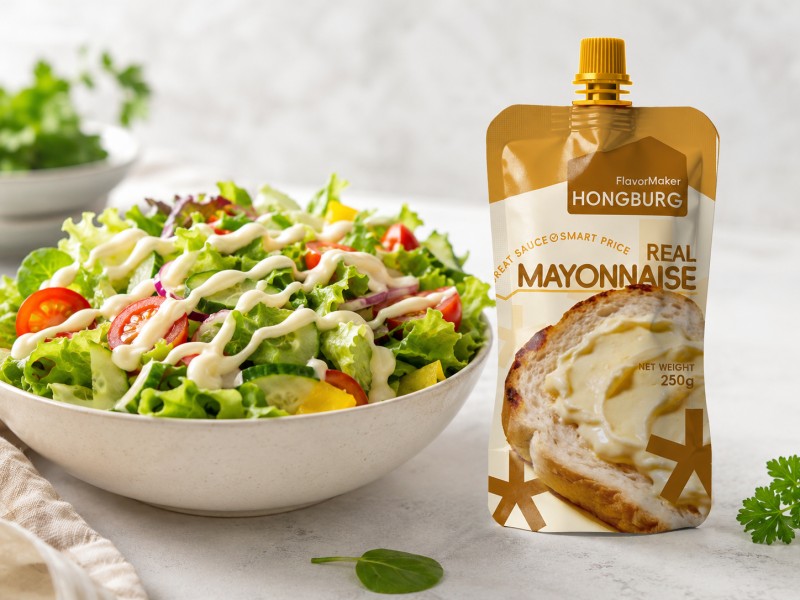
Table of Contents
- Definition of Real Mayonnaise
- Core Ingredients of Real Mayonnaise
- Health Benefits and Considerations
- Common Misconceptions About Mayonnaise
- Culinary Uses and Recipes
- Tips for Selecting the Best Mayonnaise
- Frequently Asked Questions (FAQ)
- Contact Hongburg Flavormaker Food Co., Ltd.
Definition of Real Mayonnaise
Real mayonnaise is an emulsion of oil, egg yolk, and an acid such as vinegar or lemon juice. Unlike many commercial products that may include preservatives, starches, or artificial flavorings, authentic mayonnaise adheres to traditional preparation methods and ingredients. The creamy, rich texture is achieved by slowly incorporating oil into the egg yolk while whisking vigorously, creating a stable emulsion.
Key Characteristics of Real Mayonnaise:
- Creamy and thick consistency
- Mild tanginess from natural acid
- Made with whole food ingredients
- Free from artificial stabilizers and fillers
Core Ingredients of Real Mayonnaise
The foundation of real mayonnaise lies in simplicity. Understanding these ingredients can help consumers make informed choices:
| Ingredient | Role | Notes |
|---|---|---|
| Egg yolks | Emulsifier | Provides richness and stability |
| Vegetable oil | Main base | Neutral oils like sunflower or canola are preferred |
| Acid (vinegar or lemon juice) | Flavor and preservation | Balances richness and enhances taste |
| Salt | Enhancer | Optional, but improves flavor depth |
Optional ingredients such as mustard or sugar may be added for additional flavor, but real mayonnaise keeps it minimal to maintain authenticity.
Health Benefits and Considerations
While mayonnaise often gets a bad reputation due to its high fat content, real mayonnaise can provide several benefits when consumed in moderation:
- Healthy Fats: The oils used are often unsaturated, supporting heart health.
- Vitamin Rich: Egg yolks contain vitamins A, D, E, and B12.
- Satiety: High-fat content can promote a feeling of fullness, reducing overeating.
However, portion control is crucial. Using real mayonnaise in moderation as a condiment or ingredient ensures nutritional balance without excessive calories.
Common Misconceptions About Mayonnaise
Many consumers confuse mayonnaise with other creamy sauces or assume all mayonnaise is unhealthy. Here are some clarifications:
- “Low-Fat” Mayonnaise: Often contains starches or sugar to replace fat, which changes flavor and texture.
- “Vegan” Mayonnaise: Uses plant-based emulsifiers and no eggs, which technically is not traditional mayonnaise.
- Storage Myths: Real mayonnaise should be refrigerated after opening and used within the recommended time to ensure safety.
Culinary Uses and Recipes
Real mayonnaise is versatile in the kitchen. From classic sandwiches to gourmet sauces, it enhances flavor and texture. Here are a few ideas:
Popular Uses:
- Sandwich Spread: Adds moisture and richness to sandwiches.
- Salad Dressing Base: Ideal for potato salad, coleslaw, and chicken salad.
- Dips and Sauces: Mix with herbs, garlic, or chili for unique dips.
- Baking and Roasting: Can be used to coat meats or vegetables for a tender texture.
Quick Homemade Mayonnaise Recipe:
- In a bowl, whisk together 2 egg yolks and 1 tsp mustard.
- Slowly add 1 cup vegetable oil while whisking continuously.
- Add 1 tbsp vinegar or lemon juice gradually until thick and creamy.
- Season with salt and pepper to taste.
- Store in the refrigerator for up to 1 week.
Tips for Selecting the Best Mayonnaise
When choosing mayonnaise, consider these factors:
| Factor | Recommendation |
|---|---|
| Ingredients | Look for real eggs, oil, and natural acid; avoid preservatives |
| Texture | Should be thick, creamy, and consistent |
| Brand Reputation | Choose trusted brands such as Hongburg Flavormaker Food Co., Ltd. |
| Storage | Check for refrigeration requirements and expiration dates |
Frequently Asked Questions (FAQ)
Q1: Is real mayonnaise healthier than commercial mayonnaise?
A1: Real mayonnaise made from simple, natural ingredients is healthier than many commercial varieties with additives, but moderation is key.
Q2: Can I make mayonnaise without eggs?
A2: Yes, vegan mayonnaise uses plant-based emulsifiers, but it differs from traditional mayonnaise in taste and texture.
Q3: How long does homemade mayonnaise last?
A3: It should be stored in the refrigerator and consumed within 5–7 days for safety and quality.
Q4: Can I use real mayonnaise for baking?
A4: Yes, it can be incorporated into recipes to add moisture and richness to cakes, breads, or roasted dishes.
Contact Hongburg Flavormaker Food Co., Ltd.
If you're looking for authentic, high-quality real mayonnaise, Hongburg Flavormaker Food Co., Ltd. provides premium products crafted with traditional methods and superior ingredients. Contact us today to discover our range of products and enhance your culinary creations!
